
When it comes to international shipping, particularly for vehicles, businesses often face the decision of choosing between RoRo (Roll-on/Roll-off) and Container Shipping. While both methods are widely used, they differ in several key aspects, such as the type of cargo they handle, the loading and unloading processes, cost efficiency, and the level of protection they provide. In this article, we’ll explore the differences between these two shipping methods to help you make an informed decision.
What is RoRo Shipping?
RoRo shipping is a specialized method where vehicles and rolling cargo are driven onto a ship via ramps, and then driven off at the destination port. This method is commonly used for transporting cars, trucks, heavy machinery, and even construction equipment. The main advantage of RoRo shipping is its simplicity and speed. Since vehicles are driven on and off the ship, the process is quick, and there’s no need for containers, making it a cost-effective solution for vehicle shipping.
What is Container Shipping?
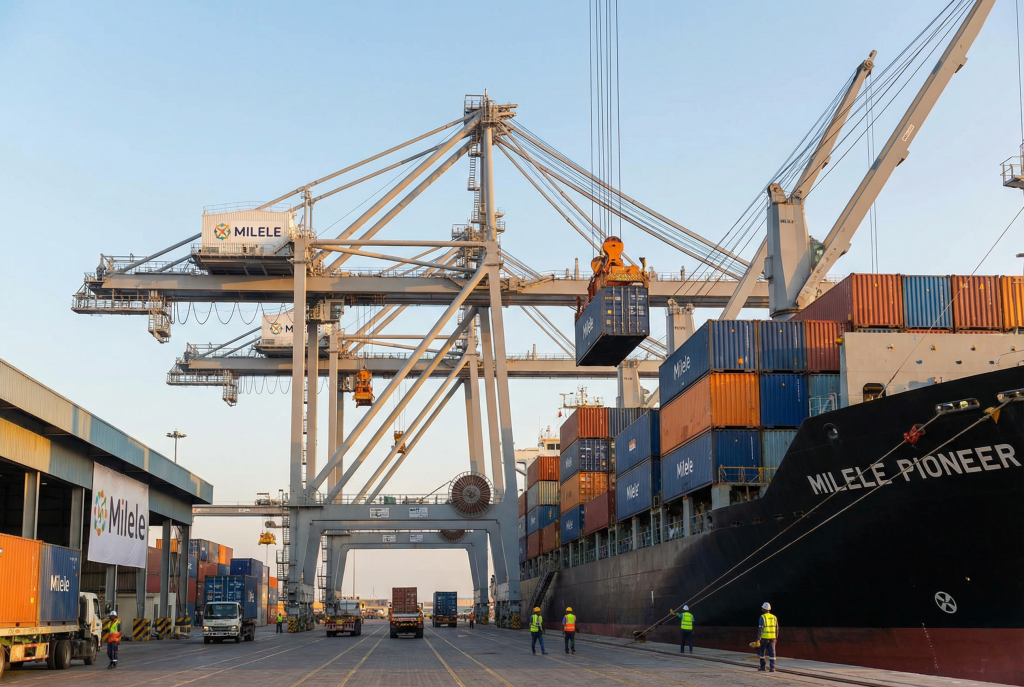
Container shipping, on the other hand, involves placing cargo inside large, standardized shipping containers. This method is widely used for a variety of goods, including electronics, clothing, furniture, and vehicles. The key advantage of container shipping is the level of protection it provides. The cargo is securely packed inside the container, safeguarding it from external factors such as weather conditions or theft during the transportation process.
RoRo vs. Container Shipping: Loading and Unloading Processes
The loading and unloading methods differ significantly between RoRo and container shipping. With RoRo shipping, vehicles are driven directly onto the ship and off at the destination port, making the process faster and more straightforward. This method is particularly efficient for transporting large volumes of vehicles, allowing for quicker turnaround times at both the origin and destination ports.
In contrast, container shipping requires more time for both loading and unloading. Cargo needs to be carefully packed inside containers, which are then lifted onto the ship. At the destination port, the containers are unloaded and unpacked, which adds more time to the overall process. Despite this, container shipping is a versatile solution for various types of cargo.
Cost Comparison: RoRo vs. Container Shipping
One of the main factors influencing the choice between RoRo and container shipping is cost. RoRo shipping tends to be more affordable for transporting vehicles and heavy equipment. Since it eliminates the need for containers and reduces handling time, RoRo is generally more economical. This makes it an ideal choice for businesses or individuals shipping large volumes of vehicles.
On the other hand, container shipping can be more expensive due to the added costs associated with containers, packing, and the more complex loading and unloading processes. However, container shipping provides added protection for the cargo, making it a preferred option for goods that require extra care during transport.
Which Shipping Method is Right for You?
The choice between RoRo and container shipping ultimately depends on the type of cargo you’re transporting and your priorities in terms of cost and protection. RoRo shipping is ideal for vehicles and rolling stock, offering a cost-effective, efficient solution for large-scale shipments. Meanwhile, container shipping is better suited for goods that need added protection or special handling.
Conclusion: Making the Right Shipping Decision
By understanding the key differences between RoRo and container shipping, you can make an informed decision based on your shipping needs. Whether you’re transporting vehicles or other types of cargo, choosing the right shipping method can help streamline the process and ensure your goods arrive safely and efficiently.