
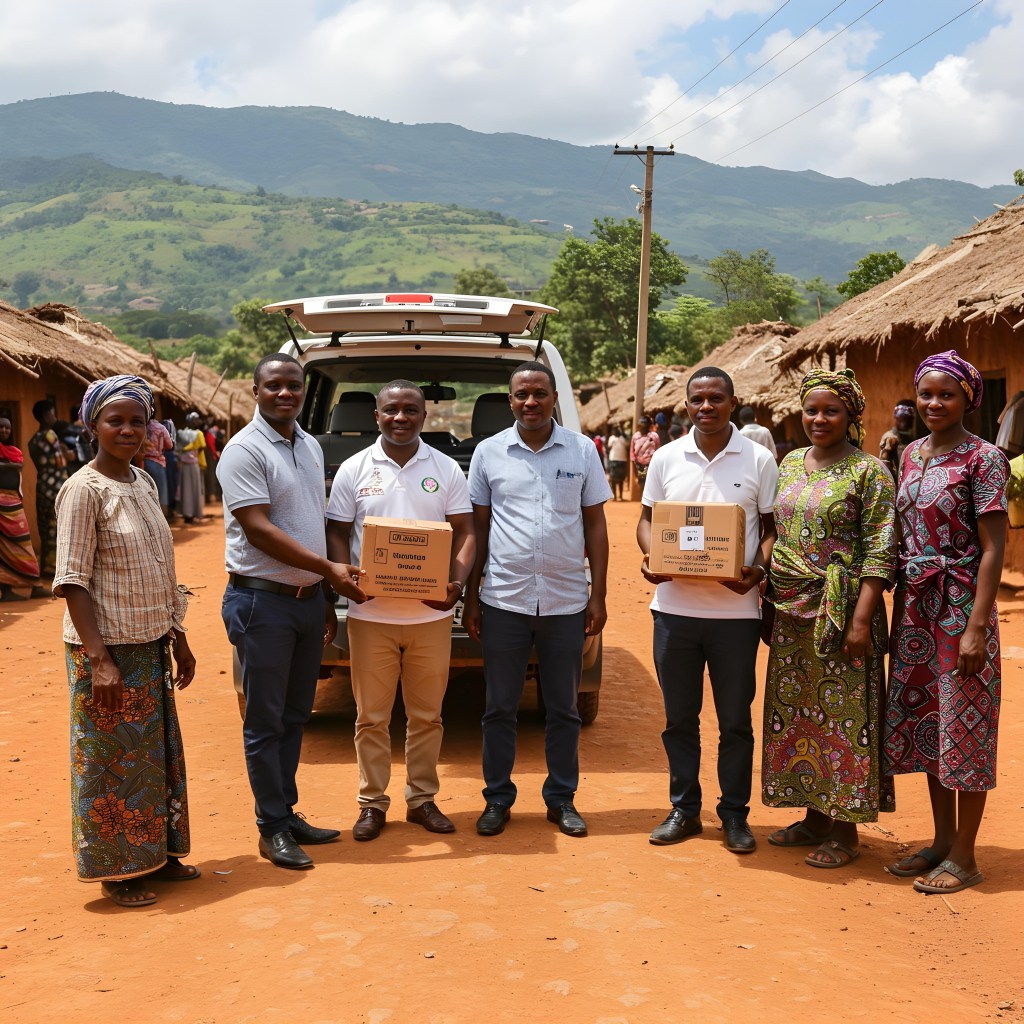
In many emerging markets, the choice of vehicle is not just about comfort or style, it’s about survival, reliability, and impact. Governments and NGOs operating in regions across Africa, Southeast Asia, and parts of Latin America are increasingly favoring SUVs over sedans, and the reasons go far beyond aesthetics. This shift reflects a deeper understanding of terrain, infrastructure challenges, and operational demands that define these markets.
Challenging Roads Demand Stronger Vehicles
First, let’s talk about the roads or in many cases, the lack of them. According to the World Bank, only about 34% of rural populations in Sub-Saharan Africa have access to all-season roads. That means the majority of routes are unpaved, unpredictable, and often impassable during rainy seasons. Sedans, with their low ground clearance and limited suspension capability, struggle in such environments. SUVs, on the other hand, are built for resilience. Their higher ground clearance, reinforced suspension systems, and 4×4 capabilities make them the go-to choice for navigating rough terrain, flooded roads, and off-grid areas.
Safety Comes First in High-Risk Environments
But it’s not just about getting from point A to point B,it’s about getting there safely. Safety is a major concern for organizations operating in remote or unstable regions. SUVs are generally equipped with advanced safety features such as stability, control, traction systems, and multiple airbags, which are critical when traveling long distances on unpredictable roads. Studies indicate that vehicles with better traction and higher clearance significantly reduce accident risks in off-road conditions. For NGOs delivering medical aid or governments conducting field operations, this added layer of safety is non-negotiable.
Higher Capacity Means Greater Efficiency
Then comes the issue of capacity. SUVs offer more space—not just for passengers, but for equipment, supplies, and humanitarian aid. Whether it’s transporting medical kits, food supplies, or personnel, the extra cargo space becomes a logistical advantage. A typical SUV can carry up to 30–40% more cargo volume than a standard sedan, making fewer trips necessary and increasing operational efficiency. In regions where time and accessibility can mean the difference between life and death, this efficiency is crucial.
Modern SUVs Close the Fuel Efficiency Gap
Fuel efficiency might seem like a point in favor of sedans, but modern SUVs have significantly closed the gap. With advancements in engine technology, many SUVs now offer competitive fuel consumption rates while delivering superior performance. Moreover, the cost of vehicle damage or failure in remote areas far outweighs the marginal fuel savings of a sedan. Reliability has become the true cost-saving factor, and SUVs consistently outperform in this area.
Perception, Authority, and Trust on the Ground
There’s also a strategic element to consider. SUVs project authority and capability. For government officials, this can enhance presence and accessibility in rural communities. For NGOs, it builds trust—showing they are equipped to reach even the most remote populations. In many emerging markets, perception matters, and SUVs symbolize preparedness and strength.
Conclusion: SUVs Are a Necessity, Not a Luxury
Ultimately, the preference for SUVs over sedans in emerging markets is not a trend, it’s a necessity driven by real-world challenges. From poor infrastructure and safety concerns to logistical demands and operational efficiency, SUVs provide a comprehensive solution that sedans simply cannot match. As these regions continue to develop, the demand for durable, versatile vehicles will only grow, solidifying the SUV’s role as the backbone of mobility for governments and NGOs alike.